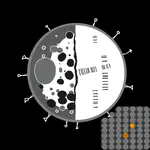
Genetic screening has lived with a cruel tradeoff: pooled screens scale to millions of perturbations but flatten the readout to a survival count, while image-based screens keep the rich phenotype but need one gene per well. Optical pooled screening breaks it — perturb thousands of genes in one dish, image every cell, then read out which CRISPR guide each cell got by sequencing its barcode under the same microscope. In 2025 two teams pushed this to genome scale, building the first unbiased morphology-based genotype–phenotype atlases. It’s imaging × perturbation at scale — and the data engine a virtual cell is trained on.